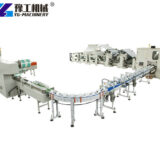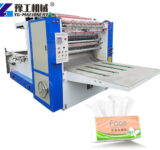
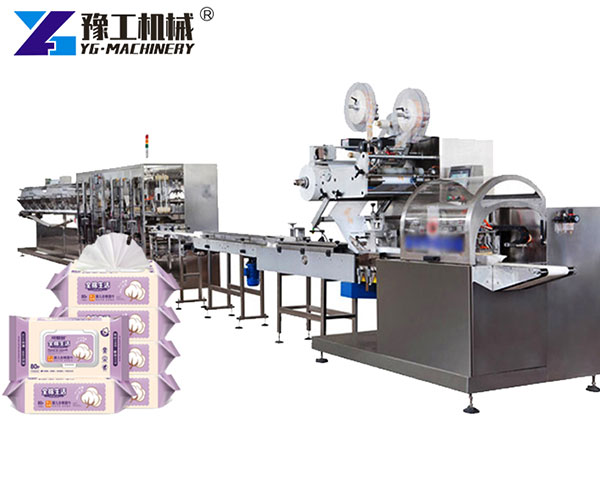
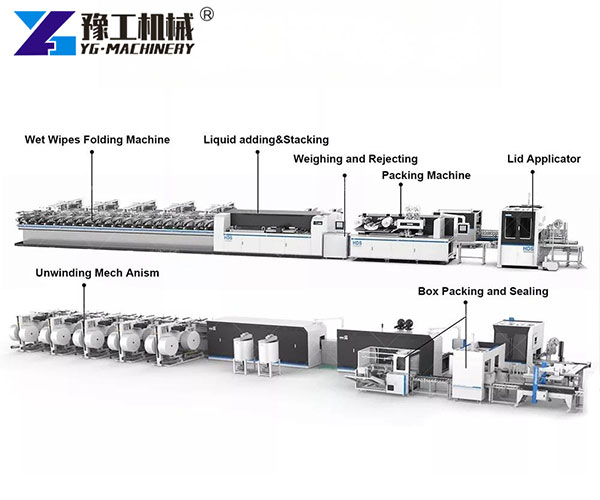
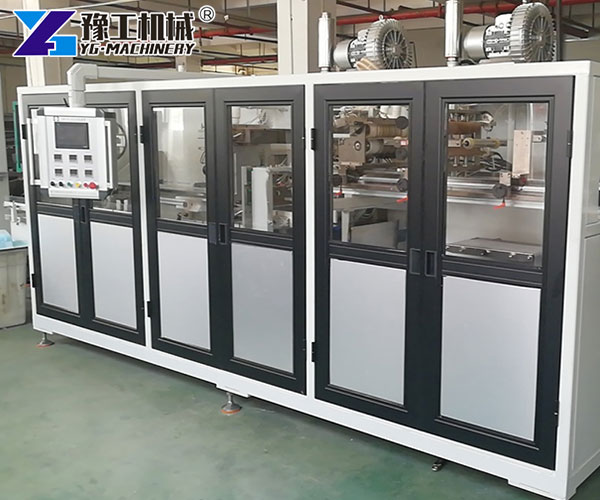
A Wet Tissue Making Machine is designed to turn nonwoven fabric into ready-to-use wet wipes with controlled moisture, clean cutting, and sealed packaging. As demand grows for baby wipes, medical wipes, and daily cleaning wipes, manufacturers need equipment that is stable, easy to run, and suitable for different product types. Choosing the right wet tissue machine is not only about speed, but also about product safety, consistency, and long-term production cost.
What A Wet Tissue Making Machine Does In Modern Production
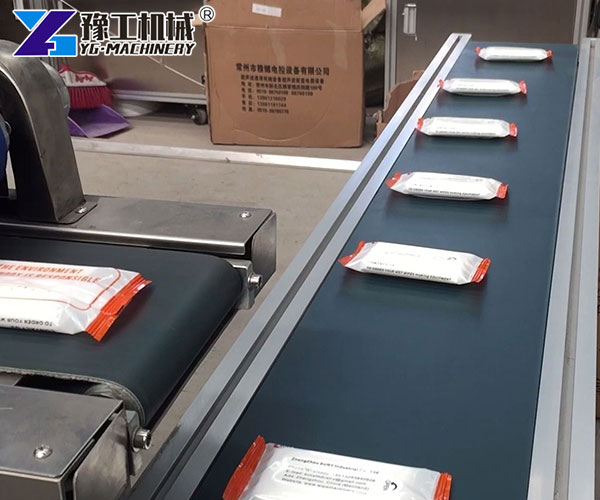
A Wet Tissue Making Machine plays a key role in modern hygiene product factories. Its main task is to produce wet wipes with stable quality, correct moisture level, and clean appearance.
Compared with traditional dry tissue machines, wet tissue equipment has clear differences:
- It must control liquid dosage precisely
- It needs better sealing to prevent drying
- It requires higher hygiene standards
The wet wipes market is highly competitive. Product quality problems, such as uneven moisture or poor sealin,g can lead to customer complaints. For this reason, production stability is more important than extreme speed.
Technical Parameters of Wet Tissue Making Machine
| Production speed | 270~400 cuts/minute; about 40-50 bags/minute |
| Number of slitting channels | 12 channels |
| Width | 1000-1520mm |
| Power supply | 380V 50HZ three-phase power |
| Total power | 13KW |
| Applicable raw materials | Spunlace non-woven fabric, hot-rolled non-woven fabric, dust-free paper, etc. |
| Material weight | 35-80 g/m2 |
| Folding method | ‘Z’-shaped folding (with or without extraction) |
| Humidification method | Preset automatic metering humidification |
| Humidification accuracy | +5% |
| Machine net weight | 9000kg |
| Humidification mixing system | Double mixing barrel with agitator |
| Mixing barrel size | 800×800 (mm, diameter×height) |
| Capacity | 400 liters * 2 pieces |
Main Components Of A Wet Tissue Making Machine
The structure of a Wet Tissue Making Machine directly affects its long-term running cost and product quality.
Key components include:
- Raw Material Feeding And Web Guiding System
Keeps nonwoven fabric aligned and stable during operation. - Liquid Spraying And Moisture Control System
Ensures each wipe has the same moisture level. - Folding, Cutting, And Counting Unit
Controls product size, folding style, and quantity per pack. - Packaging And Sealing Structure
Can be integrated or separated, depending on production needs.
A well-designed structure reduces material waste, lowers maintenance frequency, and improves overall efficiency.
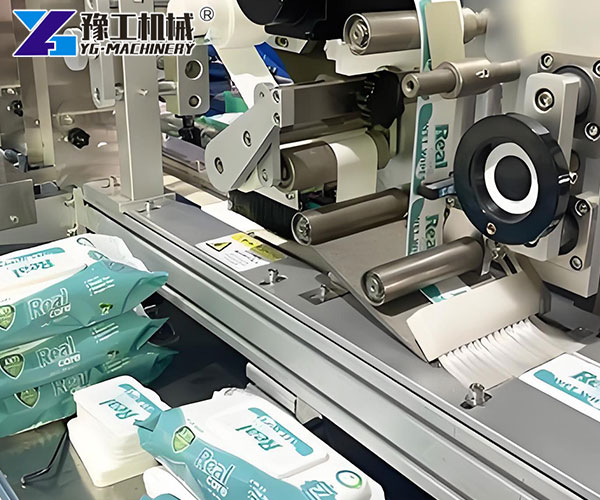
Production Capacity And Output Options In A Wet Wipes Production Line
A wet wipes production line can be configured for different output needs.
Manufacturers can choose between:
- Single-piece wet wipes
Often used for travel or medical applications. - Multi-piece wet wipes packs
Common for baby wipes and household cleaning wipes.
Production speed options usually suit different users:
- Low-speed lines for small or new factories
- Medium-speed lines for stable local supply
- High-speed lines for large-scale commercial production
Small production lines focus on flexibility, while large lines focus on efficiency and cost per unit.
Application Scenarios For A Wet Wipes Manufacturing Machine
A wet wipes manufacturing machine can support many product types, but each application has different requirements.
Baby Wipes Production With A Baby Wipes Making Machine
Baby wipes require:
- Soft nonwoven material
- Gentle liquid formula
- Stable folding and cutting
A baby wipes making machine must run smoothly to protect product consistency and safety.
Medical And Disinfectant Wipes Using A Disinfectant Wipes Machine
Medical wipes and disinfectant wipes are needed:
- Accurate liquid control
- Good corrosion resistance
- Reliable sealing performance
A disinfectant wipes machine must handle stronger liquid formulas without blocking or damage.
Household, Travel, And Personal Care Wipes
These products focus on:
- Appearance and packaging style
- Cost control
- Flexible product size
Different applications may require different configurations of the same machine.
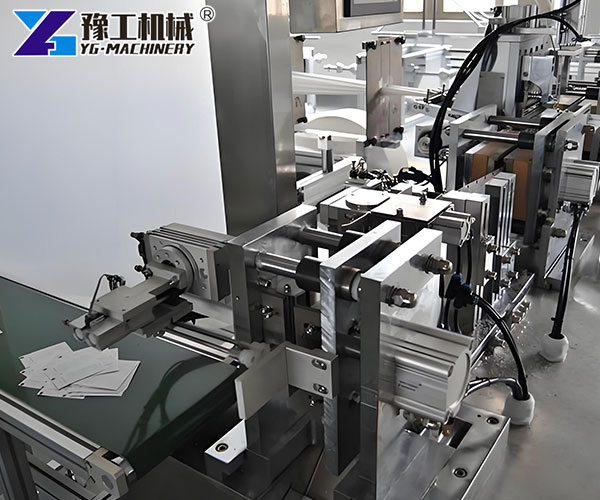
Automation Level And Labor Requirements
Wet tissue machines are available in different automation levels.
- Semi-automatic machines
Suitable for small factories with a limited budget. - Fully automatic production lines
Reduce labor cost and improve output stability.
Buyers should balance labor cost and machine investment. In many regions, automation helps reduce long-term operating pressure.
Raw Materials And Formula Compatibility
A Wet Tissue Making Machine must work with various materials and liquid formulas.
Common raw materials include:
- Spunlace nonwoven fabric
- Biodegradable nonwoven materials
Liquid formulas may vary:
- Pure water
- Mild baby lotion
- Alcohol-based disinfectant
Anti-corrosion design and anti-blocking structure are important to ensure long-term stable operation.
Maintenance, Cleaning, And Daily Operation
Daily operation should be simple and clear.
Key points include:
- Easy access for cleaning
- Reasonable replacement cycle for wear parts
- Support for fast product changeover
Simple maintenance reduces downtime and helps keep production stable.
When A Wet Tissue Making Machine Is NOT The Right Choice
Not every customer should invest in a full wet tissue production system.
This equipment may not be suitable if:
- Production volume is very low
- Product types change frequently without technical support
- Liquid formula control requirements are very high, butthe budget is limited
In these cases, smaller or outsourced solutions may be more practical.
Key Factors Buyers Should Check Before Purchasing
Before purchasing, buyers should review:
- Real production capacity needs
- Target market: baby, medical, or daily use
- Local service and technical support availability
- Future expansion and upgrade options
Clear planning helps avoid over-investment and improves return.
How A Wet Tissue Making Machine Supports Long-Term Business Growth
Stable production helps build brand trust in the hygiene market.
Automation helps:
- Reduce labor dependence
- Improve cost control
- Maintain consistent product quality
A scalable wet tissue solution allows manufacturers to expand step by step as demand grows.
Common Questions About Wet Tissue Making Machines
1. Can a Wet Tissue Making Machine Produce Different Wipe Sizes?
Yes. Most wet tissue machines can adjust wipe length, folding type, and pack quantity.
However, frequent size changes may require extra setup time. For factories with many SKUs, a flexible configuration is recommended.
2. Is the Wet Tissue Making Machine Suitable for Alcohol-Based Liquids?
Yes, the machine can work with alcohol-based and disinfectant formulas.
In this case, anti-corrosion materials and proper sealing design are very important to ensure long-term stable operation.
3. How Many Workers Are Needed to Operate the Machine?
The number of workers depends on the automation level:
- Semi-automatic line: usually 2–4 workers
- Fully automatic line: usually 1–2 workers
Higher automation helps reduce labor costs and operator errors.
4. What Types of Nonwoven Materials Can Be Used?
Common materials include:
- Spunlace nonwoven fabric
- Biodegradable nonwoven materials
The machine should be matched to fabric thickness and softness to avoid folding or cutting problems.
5. How Long Does Daily Cleaning and Maintenance Take?
Daily cleaning usually takes 20–40 minutes, depending on the liquid formula.
Regular cleaning helps prevent blockage and keeps moisture control stable.
6. Can the Wet Tissue Making Machine Be Upgraded in the Future?
Yes. Many machines support future upgrades, such as:
- Speed increase
- Packaging system expansion
- Automation level improvement
This allows factories to expand step by step without replacing the whole line.
7. Is Operator Training Required Before Production?
Yes. Basic training is recommended before full production.
Proper training helps operators understand liquid control, material feeding, and daily maintenance, reducing early mistakes.
8. Is the Machine Suitable for Small Start-Up Factories?
It depends on the production target.
For small start-ups with limited volume, a compact or semi-automatic solution may be more suitable than a full high-speed line.
Wet Tissue Making Machine Manufacturer — YG Machinery
YG Machinery provides Wet Tissue Making Machine solutions for baby wipes, medical wipes, and cleaning wipes. We focus on stable structure design, practical configuration, and export-oriented service support to help customers build reliable wet wipes production lines.
Contact us to get special offer now! WhatsApp/WeChat 008613837159132