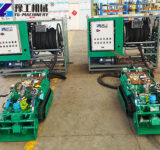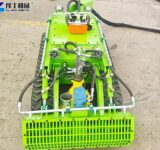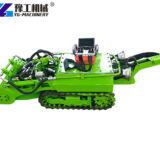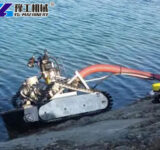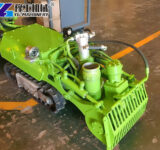
YG Machinery exported a Sludge Removal Robot to a municipal contractor in Finland for silt and sludge cleaning in sedimentation ponds and wastewater storage tanks.
The robot helped reduce manual entry, improve winter safety, and keep maintenance tasks on schedule.
Industrial Sludge Cleaning Robot Background: Finland Municipal Needs
The Finland customer works in municipal maintenance and wastewater treatment service. They needed a practical way to remove sludge from:
- Sedimentation ponds
- Wastewater holding tanks
Their main goal was to find a Sludge Removal Robot that could work in cold winters without sending workers into confined and slippery areas.
Previous cleaning work was slow and risky. Manual tools froze, and access to ponds was narrow. The customer searched for equipment that:
- Resisted cold weather
- Reduced worker entry
- Ran safely near water
- Delivered steady suction in shallow conditions
Sludge Removal Robot Supplier: Challenges Before Purchase
The customer listed several problems they needed to solve before buying a Sludge Removal Robot:
Key Challenges
- Thick and compact sludge caused by seasonal freezing
- Unsafe access to wet and slippery ponds
- Fixed cleaning schedule linked to municipal operation
- Need for stable parts supply and long-term reliability
- No need for explosion-proof features, but strong suction was required
They also asked if the robot could stay mobile on uneven pond floors and if spare parts could ship quickly during winter.
Sludge Suction Robot Evaluation And Selection
The Finland customer compared manual cleaning and vacuum truck rental with using a sludge suction robot.
After online consultation, they confirmed the sludge volume, depth, and expected flow rate.
They chose the robot for these reasons:
- Continuous suction without frequent stops
- Remote control reduced worker entry
- High performance in shallow and semi-frozen water
- Stable mobility on soft sludge layers
Video calls and remote test discussions helped the buyer see how the robot handled debris and worked in small cleaning windows.
Industrial Sludge Cleaning Robot and Finnish Environment Match
To work well in Finland, the Sludge Removal Robot needed to match winter conditions.
The customer focused on easy operation and steady suction, not complex optional systems.
Main Adaptations
- Protected hydraulic parts for cold weather
- Reinforced seals to avoid cracking in winter
- Cable guards for ice and debris
- Continuous duty pump cycle for long work hours
- Simple maintenance schedule and clear wear-part list
This setup met the buyer’s main goals: clean sludge without sending workers into ponds and complete tasks before ice buildup.
Sludge Removal Robot Customer Feedback
After weeks of operation, the customer reported:
- Smooth suction with fewer clogs
- Easy remote control training for new workers
- Shorter cleaning time for each pond section
- Reduced fall risk because workers stayed on the platform
The customer plans to order spare parts in advance and may purchase a second unit next year to handle more municipal contracts.
Sludge Removal Robot Supplier Suggestions For New Buyers
To choose the right Sludge Removal Robot, new buyers should check:
- Suction data and motor duty cycle
- Mobility on soft sludge floors
- Remote control range and cable layout
- Local spare part supply options
Buyers should prepare:
- Sludge depth and water level
- Tank or pond access width
- Expected working days per year
- Debris size and sediment type
Practical Buying Guide Based On Finland Case
Before Buying, Ask These Questions:
- How many hours can the pump run continuously?
- What is the expected wear of seals in cold water?
- Can the robot move easily in shallow sludge?
- How long is the normal spare part cycle?
Useful Information For Ordering
- Training options for first-time users
- Warranty and remote troubleshooting
- Accessories for high debris content
- Export delivery time for northern Europe
Project-Based FAQ
Can the robot work in winter?
Yes, protected seals and cables support cold water operation.
What is the minimum working depth?
It can work in shallow ponds where wheels stay submerged.
How much sludge can it clean per hour?
Output depends on sediment type and pump flow; the Finland project ran at a steady work cycle.
Do workers need to enter ponds during cleaning?
No, the remote control keeps workers on the platform.
How often should seals and hoses be replaced?
Wear parts are normally checked seasonally and replaced based on material hardness.
Contact us to get special offer now! WhatsApp/WeChat 008613837159132