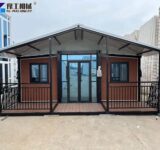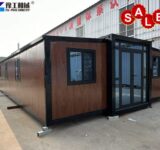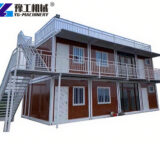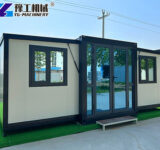
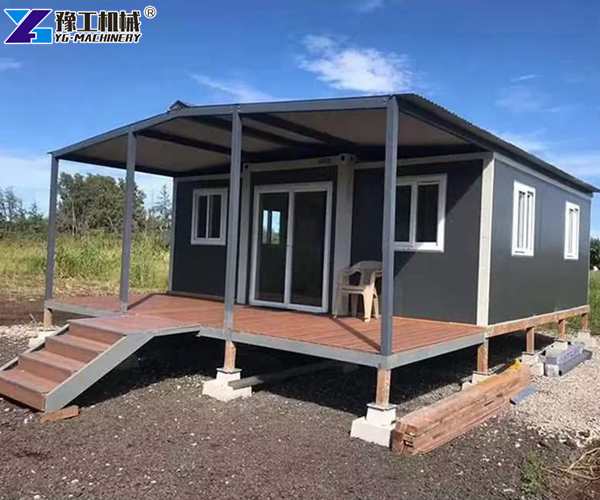
Choosing the right expandable container house is an important decision for buyers who want a fast, cost-effective, and flexible building solution. Whether you need temporary worker housing, a site office, emergency shelter, or a portable living space, selecting the right model ensures durability, compliance, and long-term value. This guide explains everything you should evaluate before purchasing, including size, structure, materials, transport, pricing, and legal considerations.
Why Choosing the Right Expandable Container House Matters
Not all prefab housing units are the same. A poorly selected prefab container house may result in higher logistics costs, installation difficulties, or insufficient insulation for your climate. The right model, however, can function as a reliable portable prefab house that meets both operational and residential needs.
Choosing correctly helps you:
- Avoid unnecessary customization costs
- Reduce transport and installation time
- Ensure compliance with local regulations
- Maximize lifespan and resale value
Choose the Right Size and Layout
Selecting the correct size and layout is one of the most important steps when buying an expandable container house. The right configuration ensures comfort, functionality, and cost efficiency for your specific project.
Size Options
Standard models are typically available in:
- 20ft expandable units – compact and easy to transport, ideal for single occupants, offices, or guard houses
- 30ft expandable units – a balanced option offering more interior space without significantly increasing shipping cost
- 40ft expandable units – best for families, dormitories, or multi-room living solutions
When comparing container house sizes, consider both current usage and future expansion needs.
House Layout
Interior layouts should match occupancy requirements. Popular options include:
- Two-bedroom layouts – suitable for small families or shared staff housing
- Three-bedroom layouts – ideal for larger families or workforce accommodation
Choosing the right layout helps maximize usable space while maintaining comfort.
House Design Structure
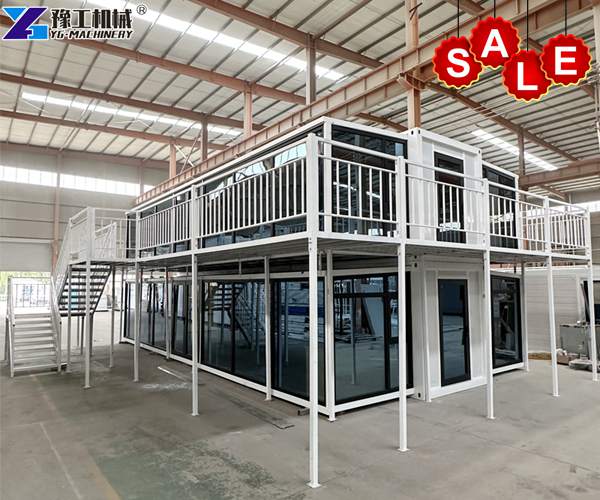
Expandable homes can also be selected based on vertical design:
Double-story houses – increased living area without increasing ground footprint, perfect for long-term or semi-permanent use
Single-story houses – easier installation, lower cost, and suitable for temporary or mobile applications
When evaluating container house sizes, consider:
- Number of occupants
- Interior layout needs
- Furniture space
- Future expansion requirements
Understand Structural Types
Expandable houses come in several structural forms. Understanding the difference helps you select the most efficient design.
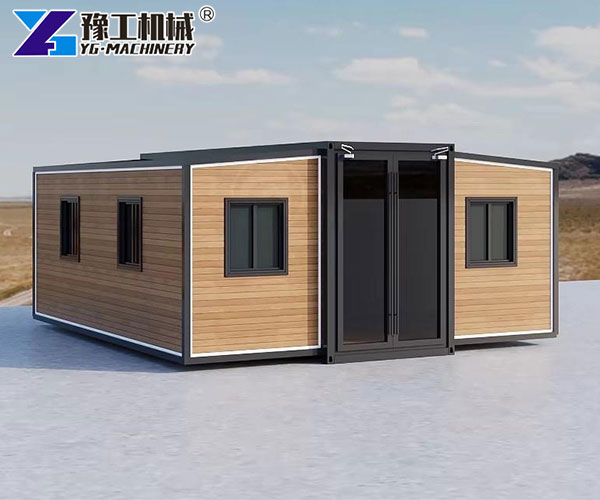
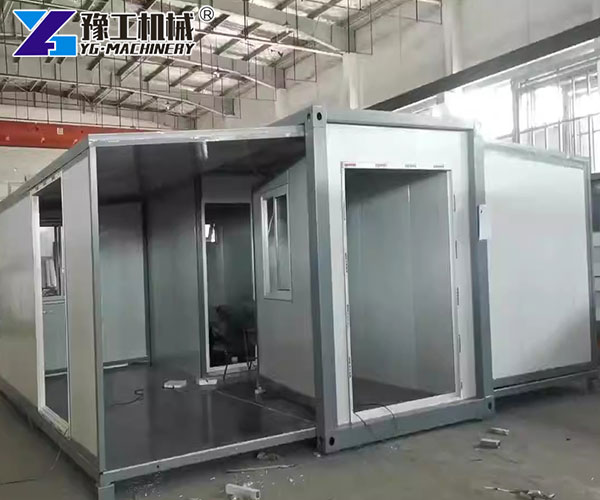
Expandable type
Side walls extend outward to increase floor space. Best for living comfort.
Folding container house
Walls fold inward for transport. Ideal for large-volume shipping.
Flat pack container home
Shipped disassembled. Lowest freight cost but longer installation time.
Detachable modular house
Panels and frames assemble on site. Suitable for long-term projects.
Each modular prefab house design balances transport efficiency, installation speed, and interior space differently.
Check Materials and Build Quality
The durability of an expandable container house depends heavily on materials and manufacturing standards.
Important factors to check:
- Steel frame thickness and anti-corrosion coating
- Wall panel insulation type (EPS, rock wool, PU)
- Waterproof roof sealing
- Fire-resistant materials
- Wind resistance rating
High-quality container house materials ensure structural stability and longer service life, especially in harsh environments.
Transportation and Installation Requirements
Logistics directly impact the total project cost. One advantage of a portable modular home is efficient shipping.
Questions to ask suppliers:
- How many units fit in one container?
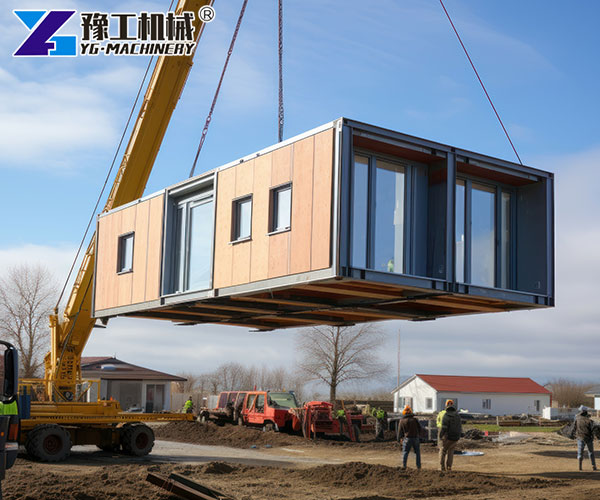
- Is crane lifting required?
- How long does installation take?
- Are assembly instructions included?
Most prefab house installation processes take only 2–6 hours with a small crew, making them ideal for urgent housing needs.
Price Factors You Must Know
The expandable container house price varies depending on several key variables:
| Factor | Impact on Cost |
|---|---|
| Size | Larger units cost more |
| Material quality | Windows, bathrooms, and kitchens increase cost |
| Customization | Windows, bathrooms, kitchens increase cost |
| Shipping distance | Long-distance freight adds expense |
| Quantity | Bulk orders reduce unit cost |
Understanding these variables helps you compare quotes and determine the actual cost of a prefab house, not just the base price.
Local Regulations and Permits
Before purchasing, always verify local building policies. Some regions classify container homes as temporary structures, while others treat them as permanent buildings.
Check:
- Zoning regulations
- Foundation requirements
- Utility connection rules
- Wind and snow load standards
Understanding the legal requirements for container homes prevents delays, fines, or project shutdowns.
Best Uses for Expandable Container Houses
Expandable homes are widely used across industries due to their flexibility and fast installation.
Common applications include:
- Construction site dormitories
- Mining camp housing
- Disaster relief shelters
- Vacation cabins
- Security offices
- Temporary classrooms
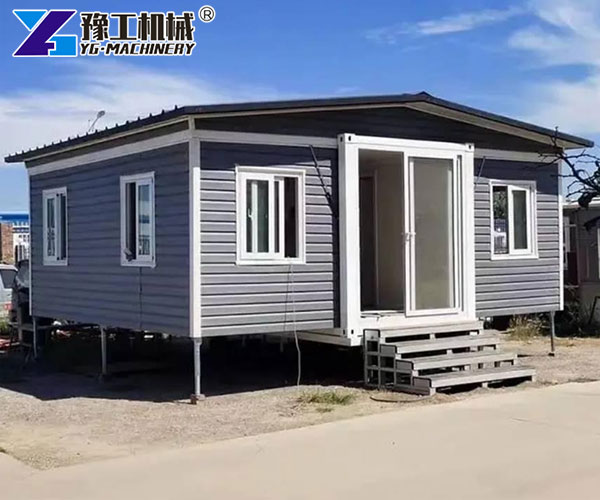
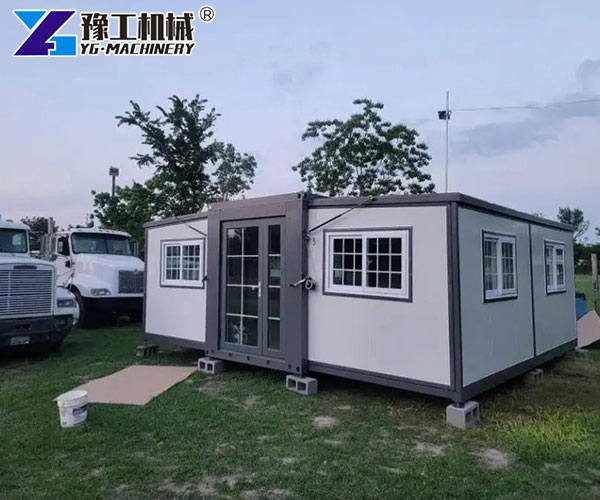
These versatile container home applications make them a practical solution for both commercial and residential projects.
Buying Checklist Before Ordering
Use this quick checklist before purchasing:
✔ Confirm size and layout
✔ Choose structural type
✔ Verify insulation material
✔ Calculate shipping cost
✔ Check local permits
✔ Review warranty terms
A structured container house buying checklist helps you avoid mistakes and ensures you select a unit that fits your project perfectly.
FAQ
How long do expandable container houses last?
High-quality models can last 15–30 years with proper maintenance.
Are expandable container homes waterproof?
Yes. Professional manufacturers seal roof joints and wall connections to prevent leakage.
Can they be used in cold climates?
Yes, if equipped with insulated wall panels such as PU or rock wool.
Do prefab container houses require foundations?
Light foundation blocks or concrete pads are usually sufficient.
How much does an expandable container house cost?
Prices vary widely depending on size, configuration, and shipping distance, so always request a detailed quotation.
Conclusion
Selecting the right expandable container house requires evaluating structure type, size, materials, transport method, pricing factors, and local regulations. Buyers who carefully compare these aspects can secure a reliable, cost-effective prefab housing solution that meets both immediate and long-term needs.
Professional Tip: Partnering with an experienced and reliable manufacturer is essential when purchasing an expandable container house. A professional supplier not only provides high-quality structures but also offers technical guidance, customization options, transportation planning, and after-sales support. YG Machinery is one such manufacturer, known for delivering durable prefab housing solutions, strict quality control, and tailored designs that match different project requirements worldwide. Working with a trusted company ensures your investment is secure and your project runs smoothly from production to installation.
Contact us to get special offer now! WhatsApp/WeChat 008613837159132