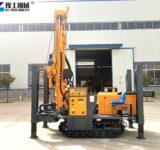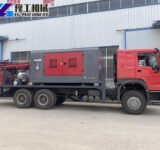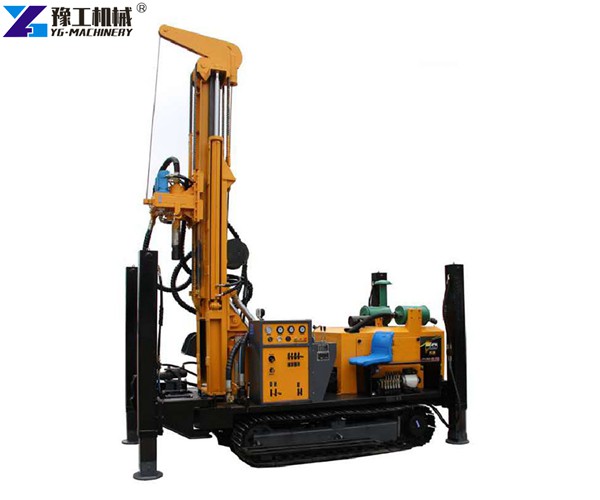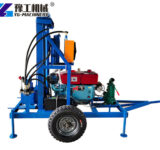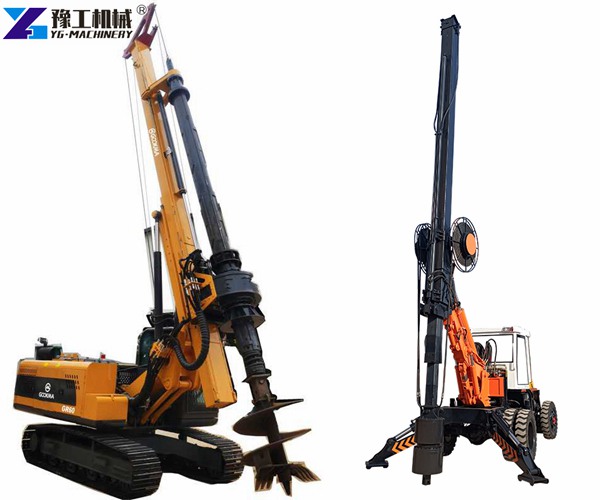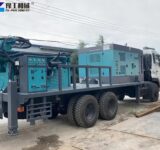
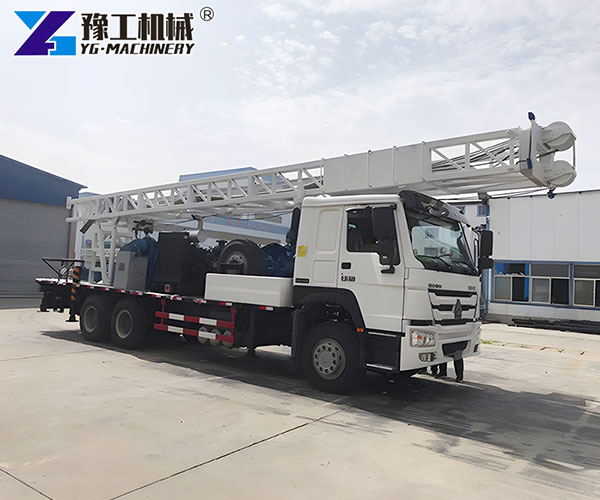
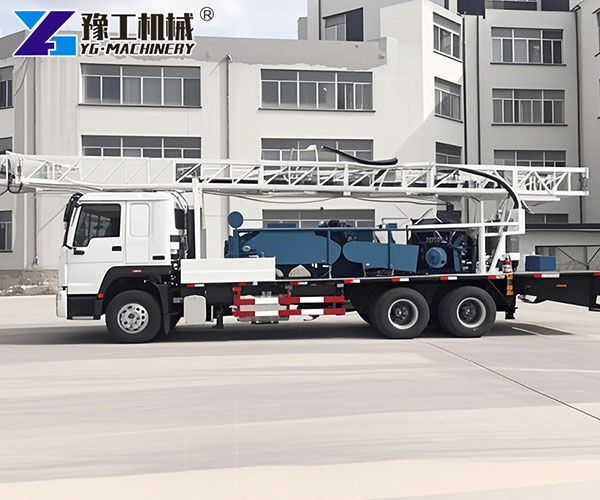
A grinding disc water well drilling rig is designed for drilling shallow to medium-depth water wells by grinding and cutting soil layers instead of breaking hard rock. Unlike impact or DTH drilling methods, this type of rig relies on continuous rotation and downward feed force.
In real field use, the grinding disc works best when soil layers are relatively soft and consistent. The drilling process is stable, easy to control, and suitable for operators who need predictable performance rather than extreme penetration power.
This type of rig is often chosen not because it can drill the deepest wells, but because it offers simple operation, steady progress, and low learning cost for many common water well projects.
Contact us to get special offer now! WhatsApp/WeChat 008613837159132
Which Project Types Commonly Use Vehicle-Mounted Grinding Disc Rigs
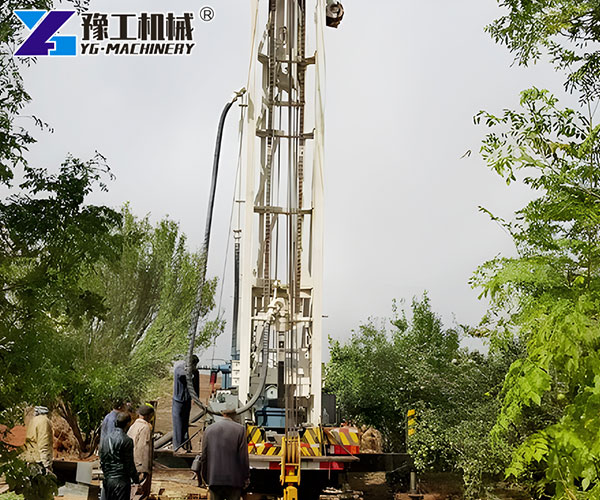
A vehicle-mounted grinding disc water well drilling rig is primarily used in projects where mobility and setup speed are more important than maximum drilling depth.
Typical project types include:
- Rural drinking water wells
- Farm and irrigation water wells
- Small community water supply projects
- Temporary or scattered drilling locations
These projects usually share similar characteristics:
- Drilling points are spread out
- Site access roads are narrow or unpaved
- Each well has moderate depth requirements
For contractors who need to move between sites frequently, a vehicle-mounted structure reduces transport cost and setup time.
How a Typical Grinding Disc Water Well Drilling Rig Is Configured
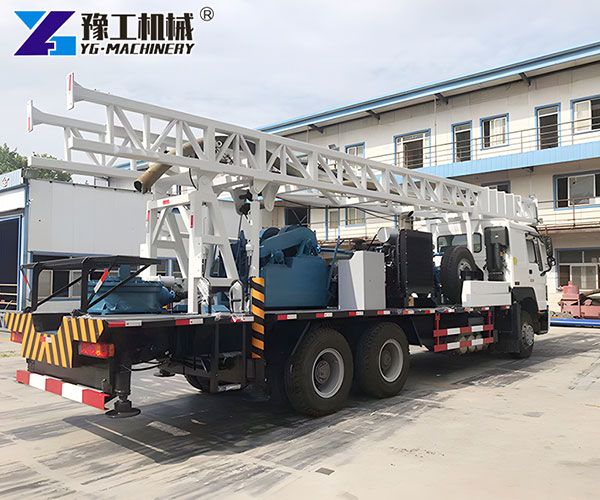
A standard grinding disc water well drilling rig is not a complex machine, but every core system has a clear purpose in real drilling work.
Most rigs are built with the following key systems:
- Grinding Disc Drilling System
Responsible for cutting and grinding soil layers. Disc size and structure directly affect drilling efficiency. - Rotary Drive and Feed System
Controls rotation speed and downward pressure. Stable feed force helps avoid tool sticking or uneven drilling. - Hydraulic or Mechanical Power System
Provides energy for rotation, lifting, and movement. Power output must match expected soil conditions. - Vehicle-Mounted Chassis
Supports fast relocation between job sites and allows drilling directly after parking. - Basic Control System
Enables simple operation and easy adjustment during drilling.
This configuration is designed for practical field drilling, not laboratory conditions. Every part exists to balance drilling efficiency, mobility, and cost.
Soil and Formation Conditions That Affect Grinding Disc Performance
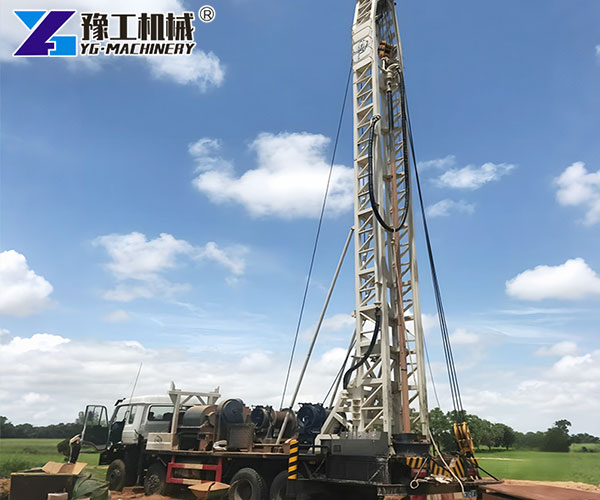
Soil condition is one of the most important factors when selecting a grinding disc water well drilling rig.
Suitable soil conditions include:
- Clay
- Sandy clay
- Silty soil
- Loose soil layers with low stone content
In these formations, grinding discs can maintain smooth cutting and stable penetration.
Less suitable or unsuitable conditions:
- Hard rock formations
- Dense gravel layers
- Mixed soil with large stones
- Strongly compacted rock layers
In such conditions, drilling efficiency drops sharply, and tool wear increases. This type of rig is not recommended for deep hard-rock drilling projects.
Understanding soil limits helps avoid unrealistic expectations and unnecessary equipment damage.
Typical Drilling Depth Ranges and Practical Expectations
Practical drilling depth depends on soil conditions and project requirements.
| Opening diameter | 500mm | Diesel engine model | ongfeng cummins 6bta5.9-c150 112kW / 2200rpm |
| Nominal drilling depth | 400m | Maximum lifting force of main hook | 240kN |
| Active drill rod | 108 × 108 × 7500mm | Maximum lifting force of the main hook | 160 kN |
| Drill rod inside the hole, diameter | 89 × 6000mm | Rated load of drill tower | 280kN |
| Effective height of drill tower | 11900mm | Matching drill pipe | Maximum lifting force of the secondary hook |
In real applications, a grinding disc water well drilling rig is commonly used for:
- Shallow wells
- Medium-depth water wells
- Projects where stable drilling is more important than speed
As drilling depth increases, resistance rises, and drilling speed slows. Beyond a certain depth, other drilling methods may become more cost-effective.
For contractors, matching real project depth with the right rig type is more important than chasing maximum specifications.
Key Technical Parameters That Actually Matter in Field Selection
When reviewing technical specifications, not all parameters have equal importance.
The following parameters directly affect real drilling performance:
- Maximum Drilling Depth
Indicates the working range, but must be evaluated together with soil conditions. - Grinding Disc Diameter
Larger discs usually provide better stability but require stronger power support. - Feed Force Capacity
Determines how well the rig maintains pressure during drilling. - Vehicle Weight and Size
Affects transport, site access, and ground pressure at drilling locations. - Power System Type
Influences fuel consumption, maintenance, and continuous operation capability.
Instead of comparing numbers alone, users should consider how these parameters match their actual projects.
Why Mobility Drives the Use of Vehicle-Mounted Configurations
Mobility is a key reason why many users choose a vehicle-mounted grinding disc water well drilling rig.
Compared with fixed or trailer-mounted rigs, vehicle-mounted units offer:
- Faster relocation between drilling points
- Reduced need for external lifting equipment
- Shorter setup and breakdown time
This makes them suitable for contractors handling multiple small jobs rather than single large projects.
Common Misjudgments When Selecting a Grinding Disc Well Drilling Rig
Some buyers encounter problems because of incorrect expectations.
Common mistakes include:
- Choosing based only on drilling depth rating
- Ignoring soil condition differences between regions
- Assuming one rig fits all drilling projects
- Overlooking site access and transport limitations
Avoiding these mistakes starts with understanding where the grinding disc method works best and where it does not.
Who Should Consider — and Who Should Avoid — This Type of Drilling Rig
A grinding disc water well drilling rig is suitable for:
- Contractors focused on shallow to medium-depth water wells
- Projects with soft or mixed soil conditions
- Users who value mobility and simple operation
It may not be suitable for:
- Deep hard rock drilling projects
- High-output industrial water wells
- Sites with heavy gravel or solid rock layers
Choosing the right drilling rig is not about buying the most powerful machine, but about selecting the one that fits real project needs.
Contact us to get special offer now! WhatsApp/WeChat 008613837159132